
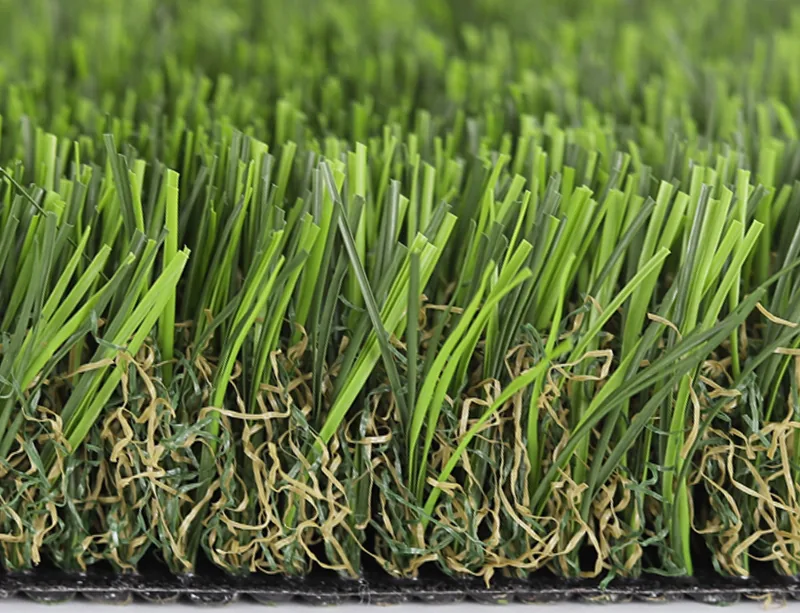
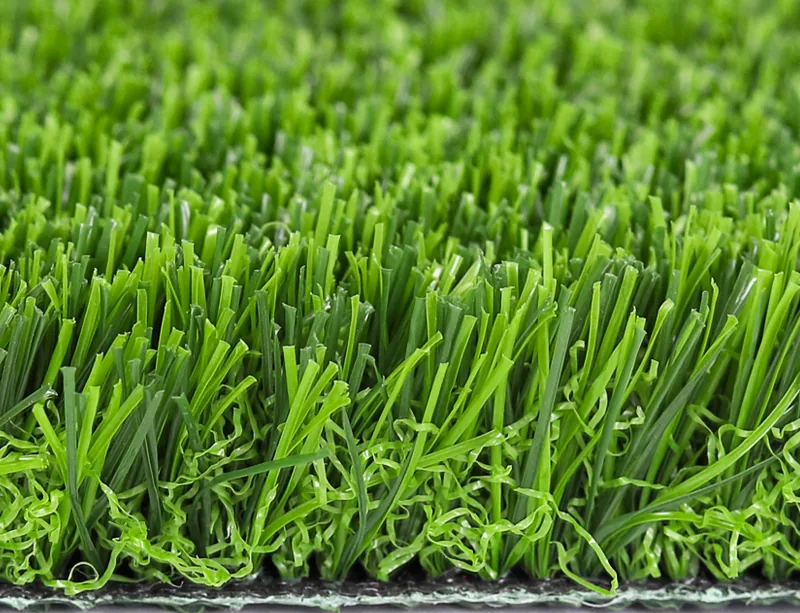
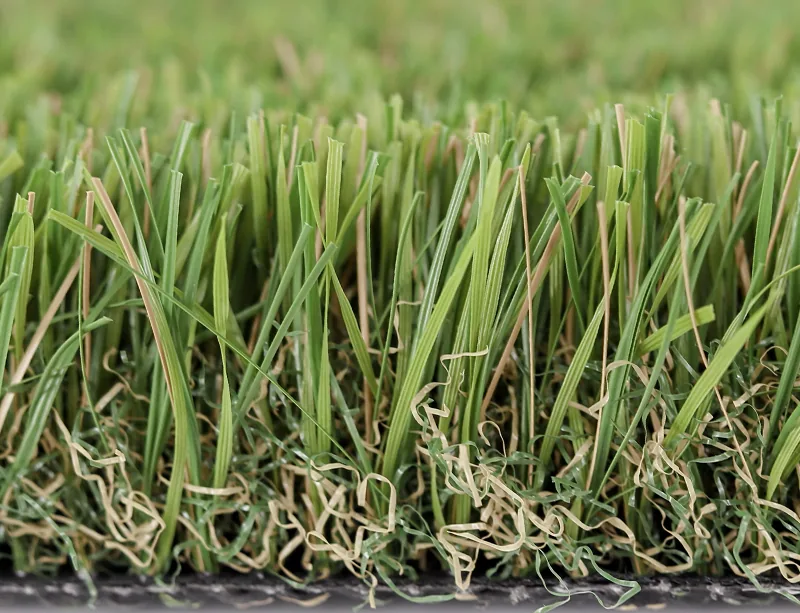
Description
Product Overview
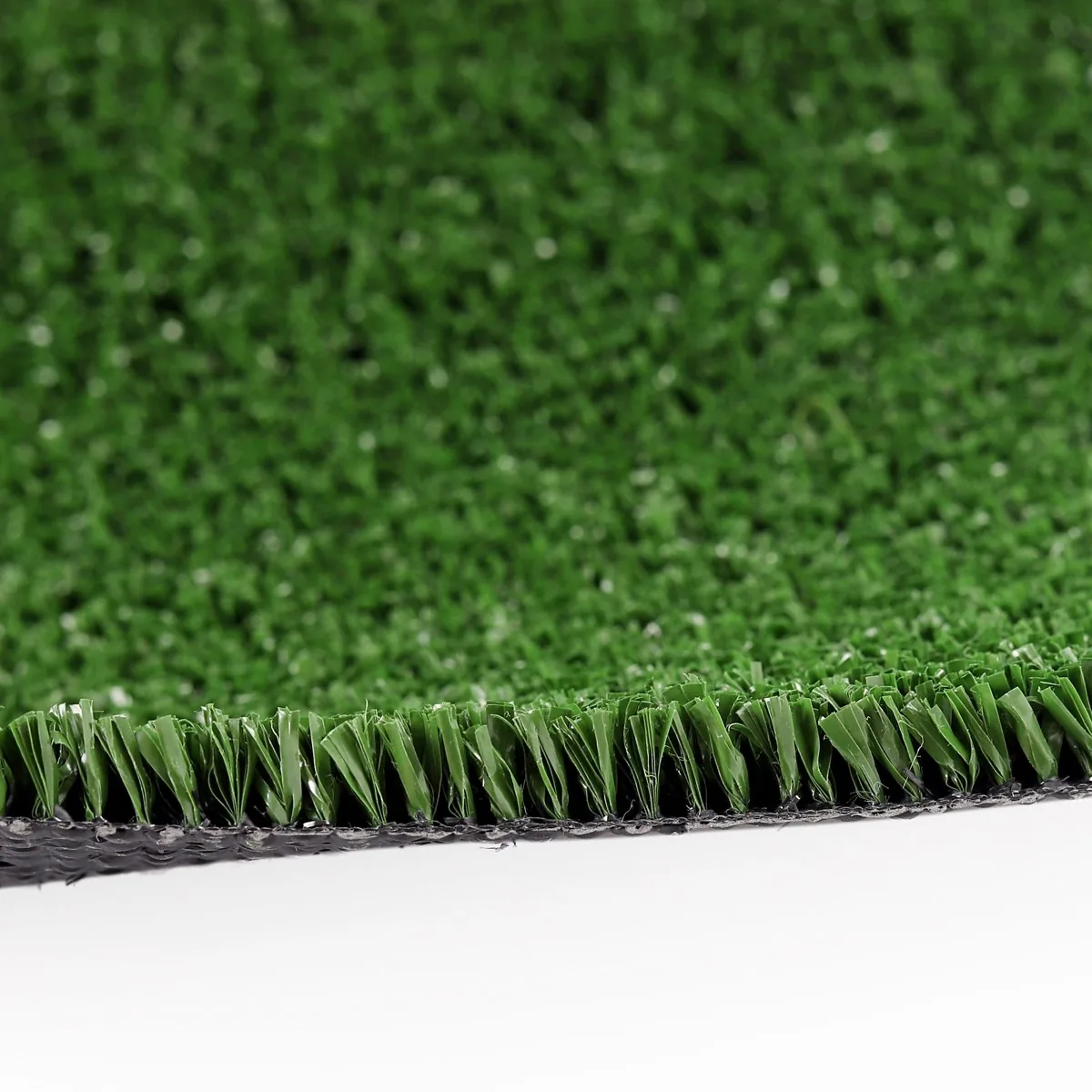
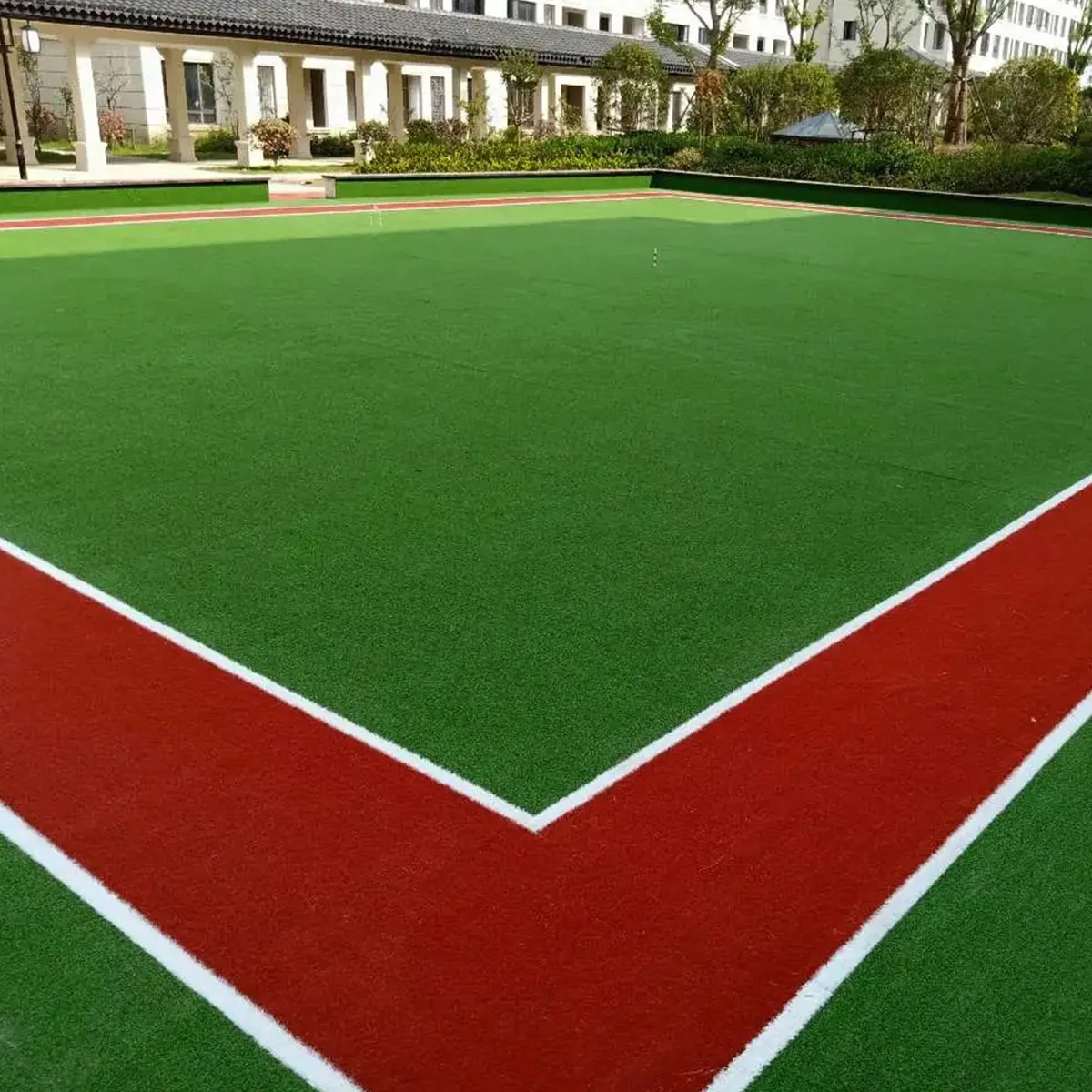
LFL 15mm padel artificial grass is a dense, hard-wearing sports turf built for outdoor padel and tennis courts. High-tuft-density fibrillated yarn and an interwoven infill-locking backing keep the surface stable even during aggressive play, with no watering, mowing or annual renovation.
Material & Performance
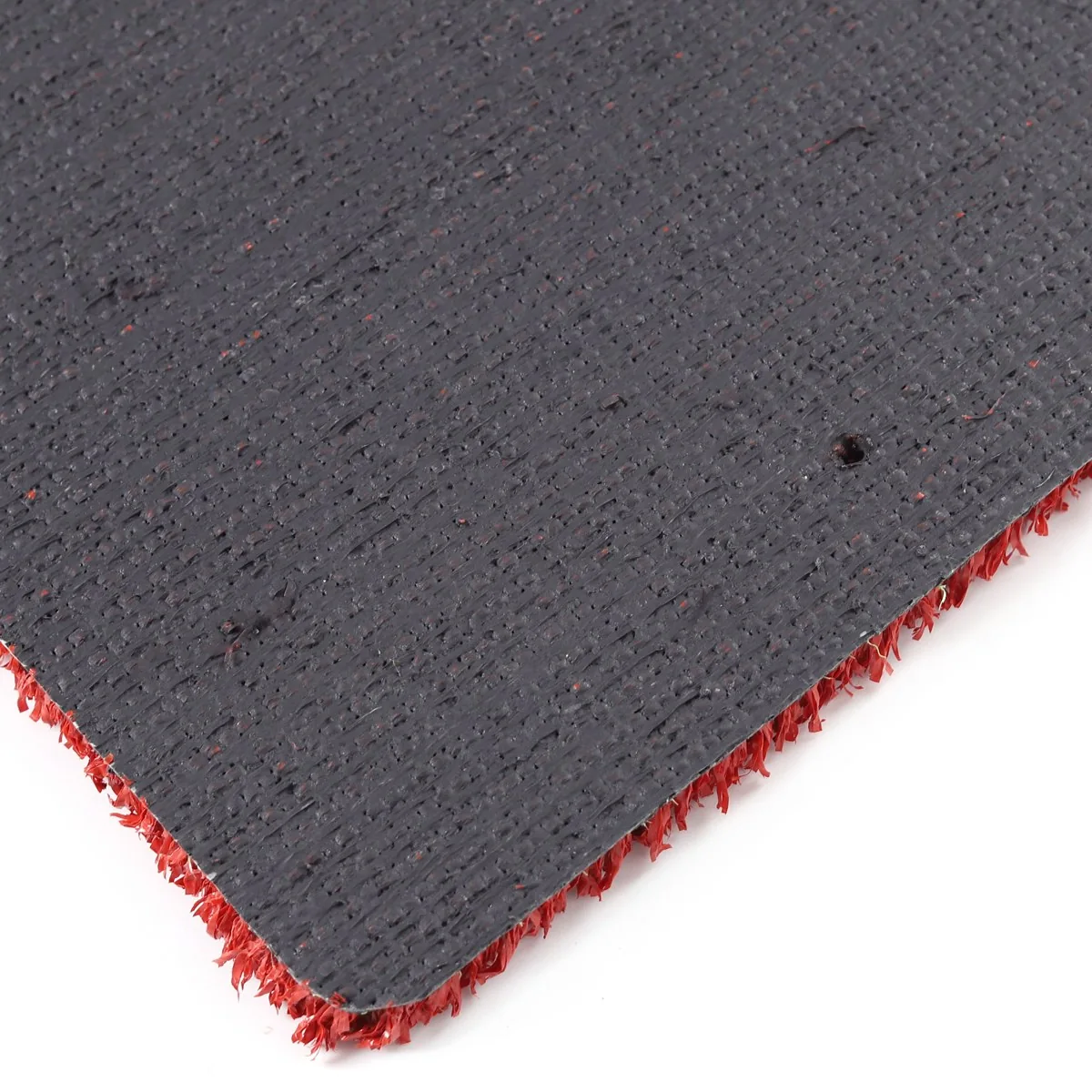
The interwoven net-like fibre structure locks infill firmly in place, preventing silica sand and rubber from splashing or shifting during slides, sprints and tackles. The heavy-duty split-film construction resists high-frequency friction and impact, so the surface keeps its shape and performance under heavy daily use. After professional brushing the fibres stand upright for a natural, realistic court finish.
- Dense tufting – high tuft density keeps the surface level, stable and consistent for ball play.
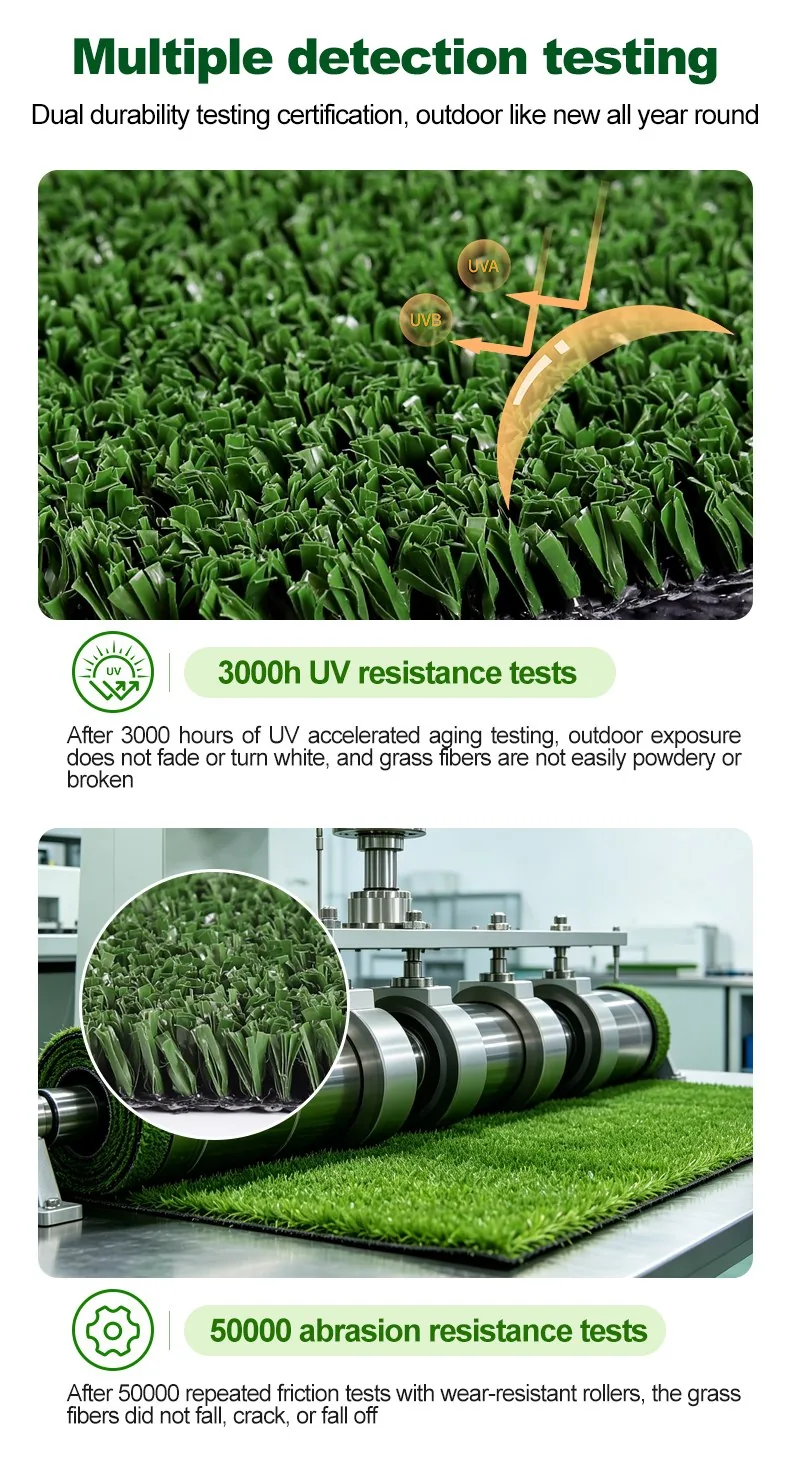
- UV stabilizers – resist colour fading and performance loss under long outdoor exposure.
- Quick-draining backing – lets water pass through fast so the court recovers quickly after rain.
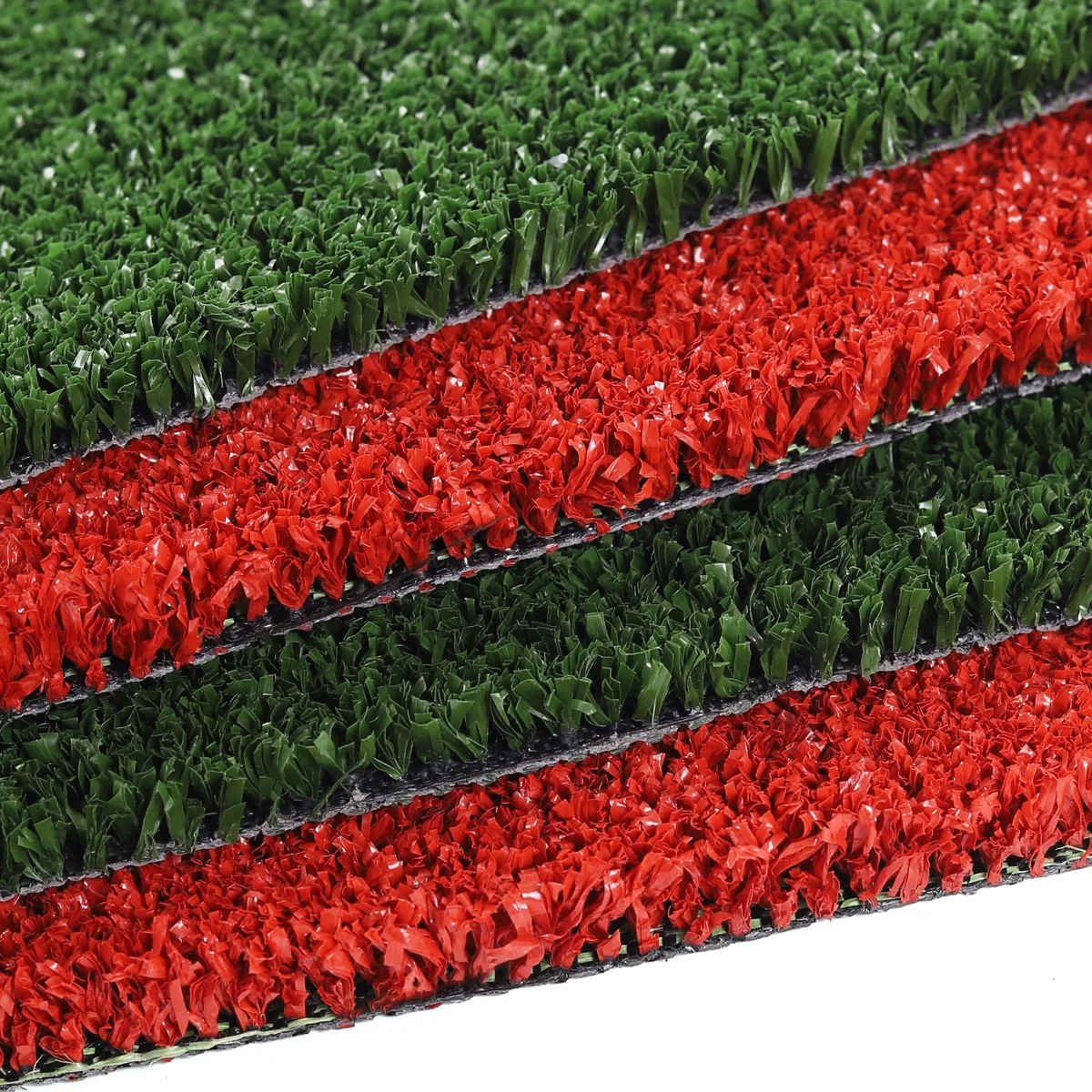
- Factory customization – pile height, density, colour, yarn shape, roll width and backing can all be tailored.
Key Performance Features
- Automatic Seepage – a perforated backing drains rainwater quickly so the court stays dry and playable.
- Stable Ball Path – A firm, upright pile keeps the bounce consistent across the whole court — the quality a player is reading on every shot.
- Sturdy Grass Silk – dense, well-anchored tufts resist shedding under constant foot traffic.
- Firm, Secure Footing – The firm fibre and the sand dressing grip underfoot, so players push off and change direction without slipping.
Why Choose LFL
We are a factory-direct B2B manufacturer of sports artificial grass. Every spec – pile height, gauge, Dtex, density, face weight, roll width, yarn shape, colour and backing – can be customized to your court or project. The turf is UV- and weather-resistant, needs no mowing or watering, and saves maintenance and labour costs. For clubs, schools and commercial facilities we supply competitive wholesale pricing, OEM/ODM support and free samples for qualified projects.
Specifications
| Pile Height | 15mm (±2%) |
| Gauge | 3/16″ |
| Dtex | 5500-9500 (±5%) |
| Density | 63000-84000 tufts/sqm |
| Facial Weight | 50-80 oz |
| Roll Width | 6.5-15 FT |
| Yarn Shape | Fibrillated Yarn |
| Backing | Interwoven net-fibre (infill-locking) |
| Model Number | LFL005 |
Standards & Certification
Manufactured to international standards including CE, GRS, ISO, RoHS, REACH and EN-71. Please contact us for a project-specific quotation and free sample.
Complete Padel Court Solutions
This 15 mm fibrillated turf is one option in the LFL range. For a complete padel court package — padel court artificial grass, glass panels, structural posts, net and lighting — see our padel court solutions page, or send us your court drawing for a tailored quotation.
What an open-net split-film yarn does on court
LFL005 is tufted from an open-net split-film yarn: a flat tape that is split and opened into a fine net of fibres before it is tufted. It is a different animal from a soft crimped carpet — the fibre is firmer, and that firmness is what gives the court its playing character.
Three things follow from it, and they are the three things a player notices first:
- The ball path stays true. A firm, densely tufted pile holds upright under the ball instead of deforming under it, so the bounce comes off the surface the same way from one end of the court to the other. That consistency is the single quality a player is reading on every shot, and it is why this yarn is specified for tennis.
- Rebound is high. The split-film structure returns energy rather than absorbing it, so the court plays lively and consistent instead of dead.
- Footing is secure. The firm surface and the sand dressing work together: players push off and change direction without the shoe skating. On a racket court, grip is what lets a player commit to a movement instead of hesitating over it.
Firm is not the same as hard underfoot. The pile still compresses when a player lands on it; what it does not do is stay compressed. That is the difference between a court that feels solid and one that feels like a mat.
Infill: this is a sand-dressed build
LFL005 is specified with a silica sand dressing, and that is not a detail — it is the configuration the product was designed around. The sand weighs the surface down, holds the fibre upright and sets the pace the ball comes off the court.
It is also the reason the backing is built the way it is. The interwoven net-fibre structure locks the sand into the pile so it does not splash out under slides, sprints and direction changes — which is what keeps a dressed court playing the same in its third season as in its first, rather than losing its dressing into the margins.
Skip the dressing and you get a faster, firmer, louder court that does not play the way the specification intends.
How much sand, and how to put it in
- Quantity: 5–8 kg/m² of silica sand for this build. That figure moves with the specification. At the same pile height, a denser tufting needs less sand to reach the working level, while a lower-density or heavier-Dtex pile takes more to fill the same volume — so it is a number per build, not one number for the whole product family.
- Leave the grass tips standing: aim for roughly a quarter to a third of the fibre exposed above the dressing. On a short-pile racket court, the exposed tip is what the ball and the shoe actually contact. That tip exposure — not the pile height on its own — is what sets the ball speed and the feel underfoot, and it is the single most common thing to get wrong on site.
- Fill in two or three passes, brushing after each one. The sand has to settle to the base of the fibre rather than sit on top of it. Brushing after each pass is what makes it drop in; emptying the full quantity in one go leaves a loose crust of sand that displaces on the first session and never beds down properly.
Get those three right and the court plays the same in its third season as its first. Send us the court dimensions and the intended level of play and we will issue a dressing schedule with the quotation.
Where this build fits in the range
This is the firm, sand-dressed court build — the specification for tennis and multi-use courts where a true ball path and secure footing matter most, and for padel courts that are dressed rather than unfilled. If a project needs a softer surface that holds its appearance with no infill at all, the KDK crimped construction is the right answer instead: the KDK crimped tennis court turf runs the same 10–15 mm band from heat-set crimped yarn and is quoted for gyms, multi-use areas and courts where sand is not wanted. For the wider specification picture, see our buyer’s guide to padel and tennis court artificial grass.
Reviews
There are no reviews yet.