
Padel Court Turf & Padel Artificial Grass Supplier
LFL Grass supplies padel court artificial grass and complete padel court systems for clubs, resorts and contractors. Choose 10–15 mm short-pile turf, fibrillated or monofilament yarn, sand-dressed or non-infill construction, with a cutting plan for the standard 10 × 20 m court.
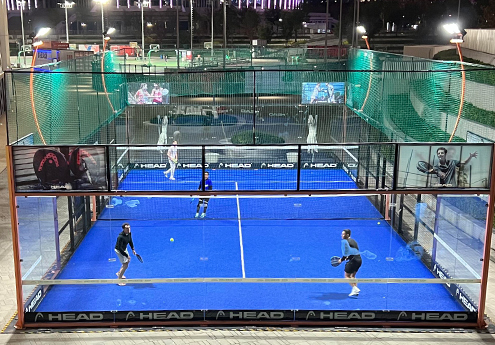
Turnkey padel courts, supplied by LFL Grass. This 34-second walkthrough shows the complete court system we provide alongside our padel artificial grass — the turf surface, glass walls, structural posts, net and floodlights, installed as a finished playing facility for clubs and resorts. If your project needs a complete court package rather than turf alone, send us your court dimensions and we will quote the whole system.
What is Padel
- Padel is a fast‑growing racket sport, played on an enclosed glass‑wall court.
- Our supply:padel artificial turf,complete court kits including glass panels, posts, net, lighting etc.
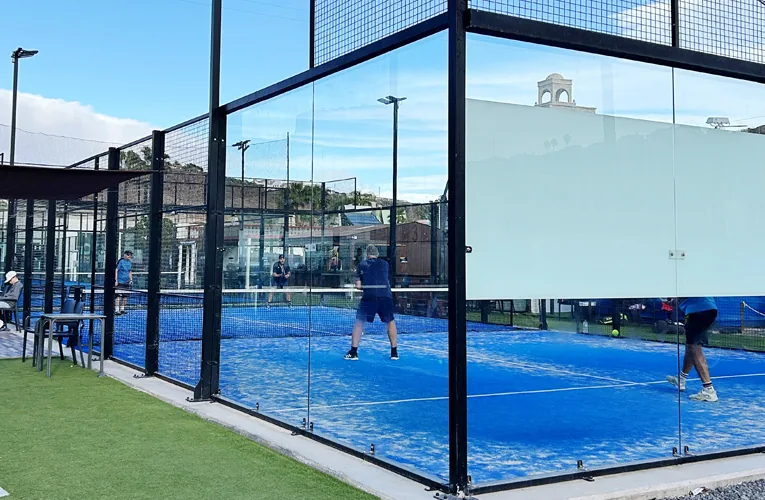
Padel Artificial Grass
- high shock absorption
- low maintenance
- low ball bounce deviation
- wear resistant
- no infill
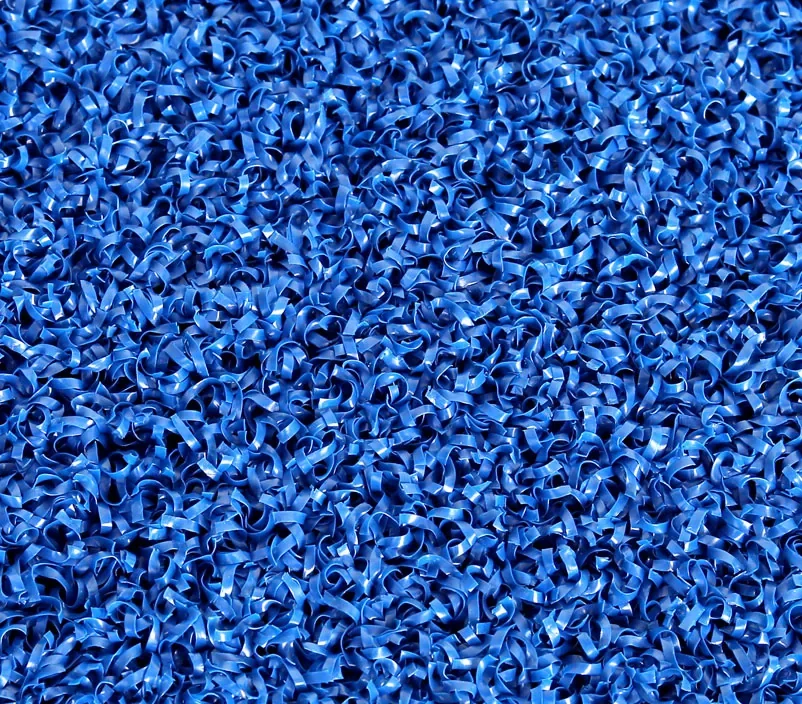
- Pile height:10–15mm
- Yarn type:monofilament / fibrillated
- Backing:PP+PU backing
- UV resistance:Anti‑UV 5000+ hours
- Weather resistant:all‑weather use
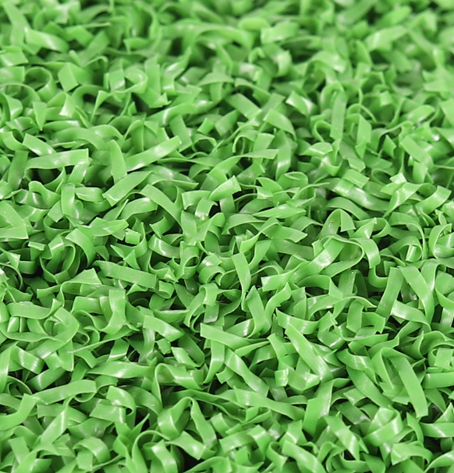
- Color options:green,olive green etc
- Certifications:SGS, anti‑aging test report
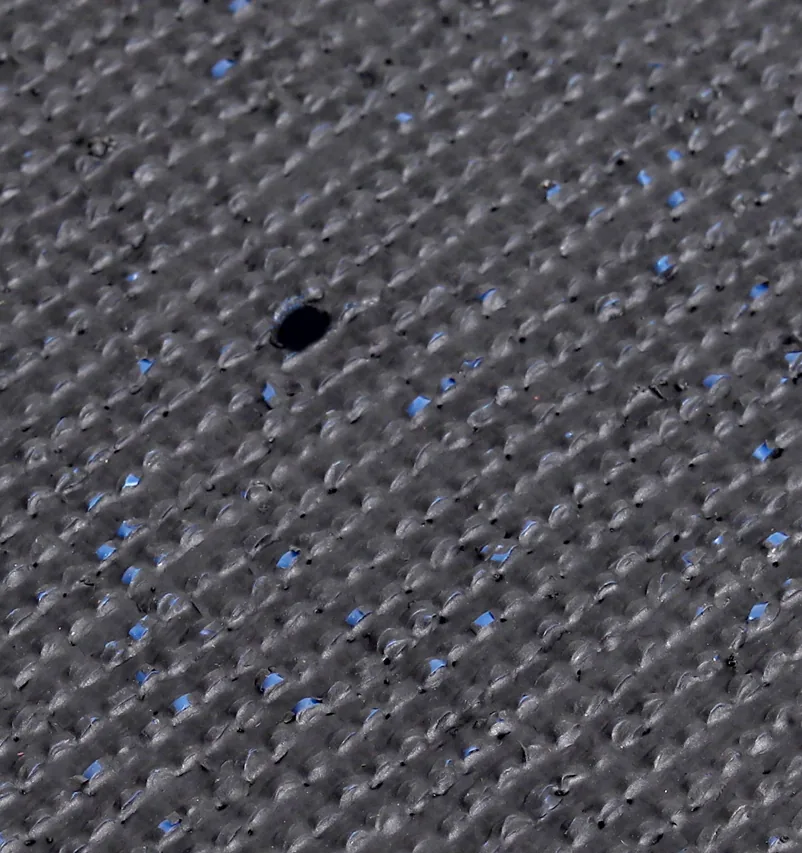
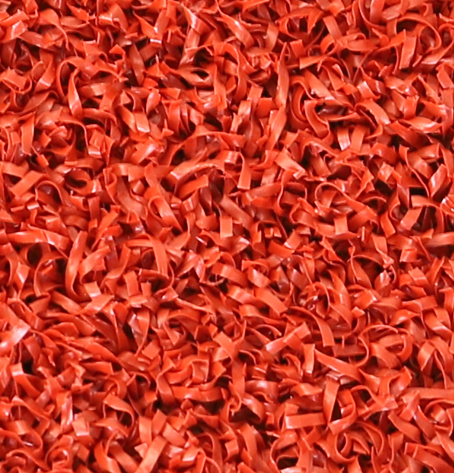
Padel Complete stadium plan
1. Full-set padel court
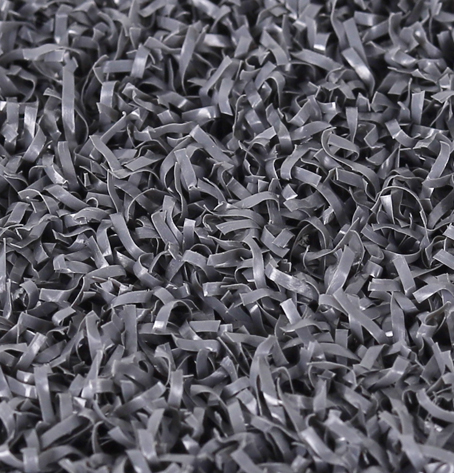
2. Only artificial turf
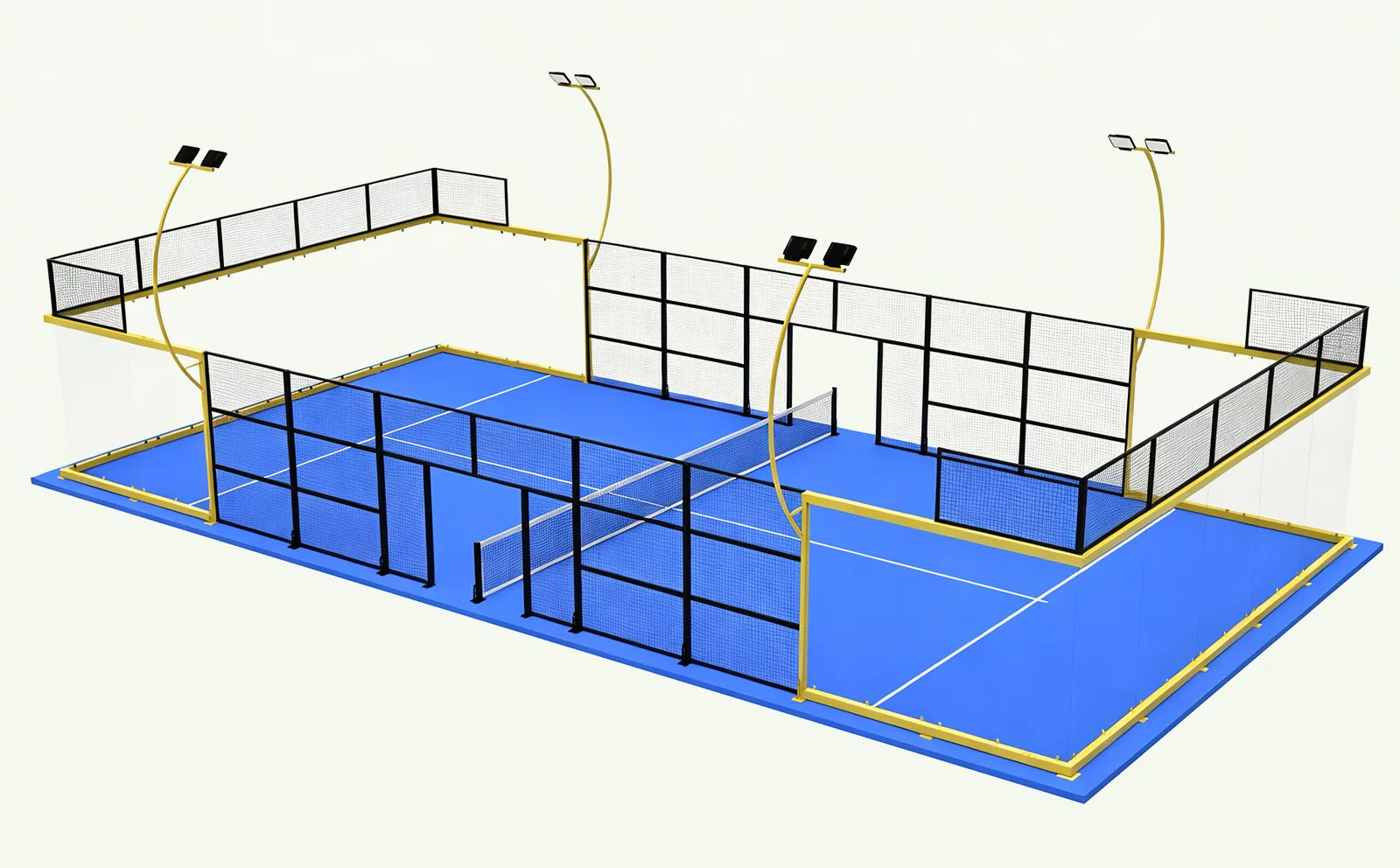
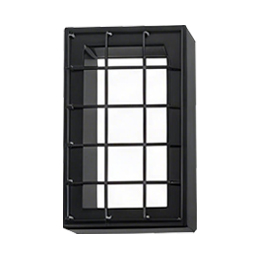
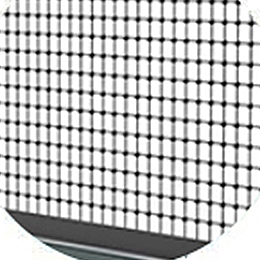
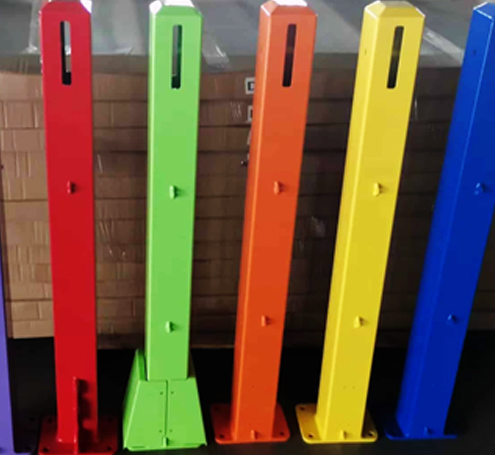
Mesh frame
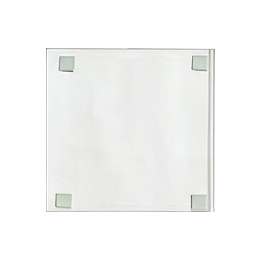
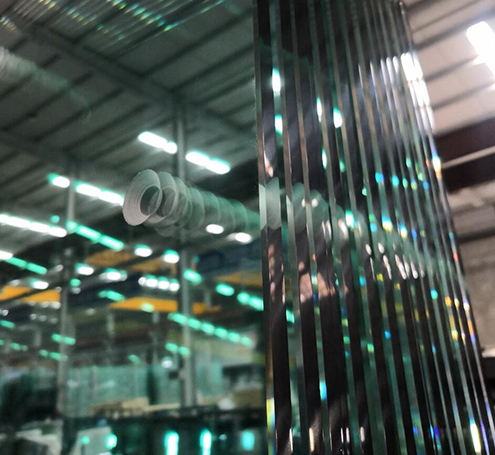
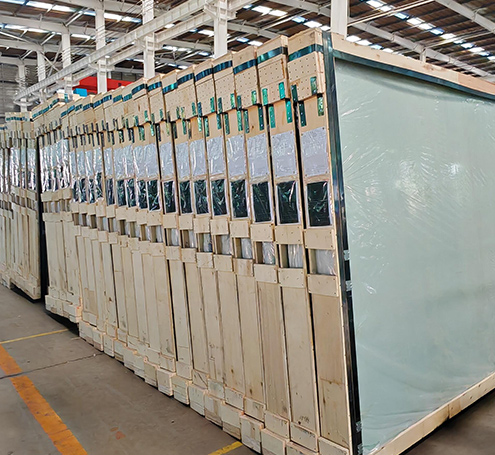
Tempered glass
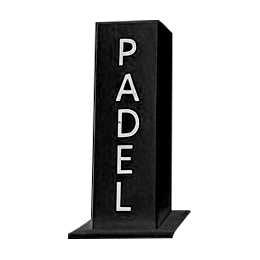
Column
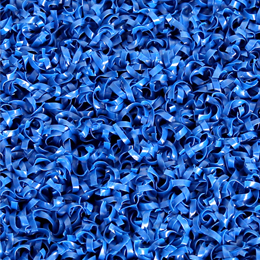
Artifical grass
Net
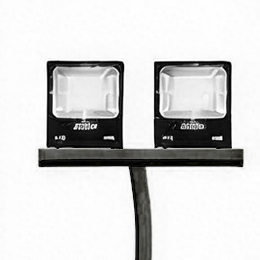
Light bulb
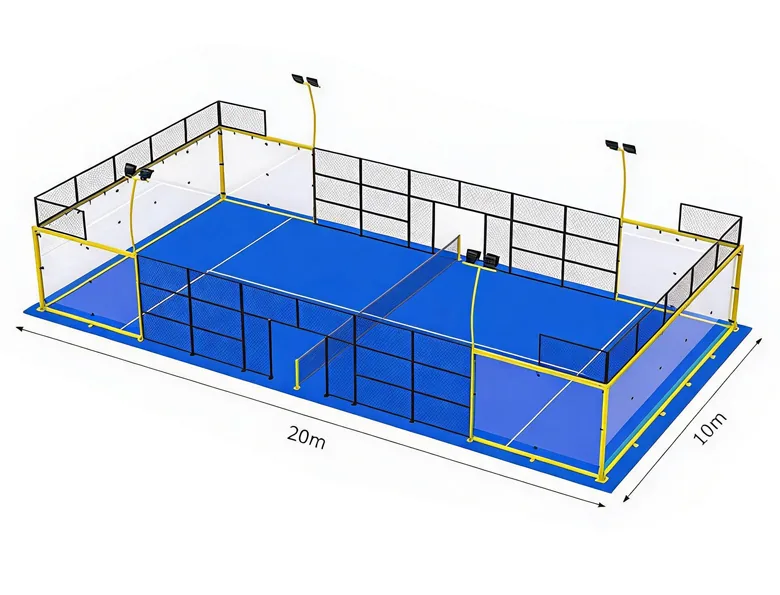
Standard full padel court:10m × 20m
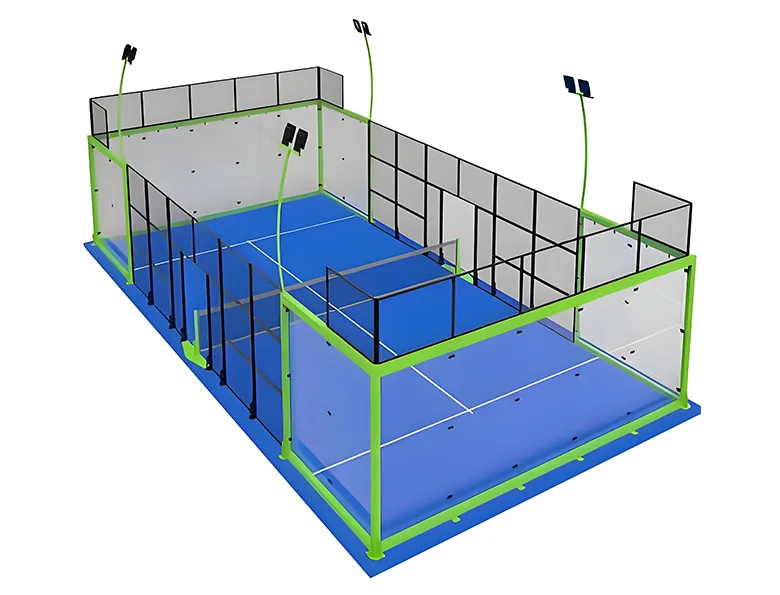
Customized according to the venue
Application Scenarios
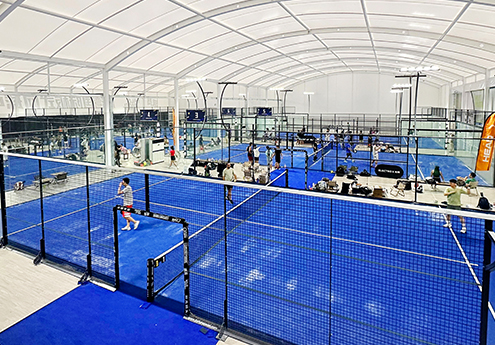
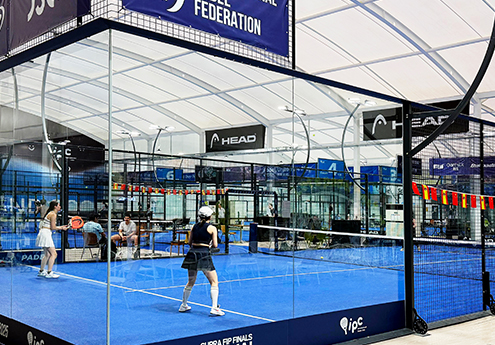
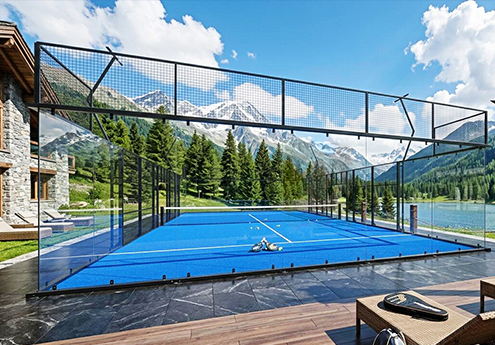
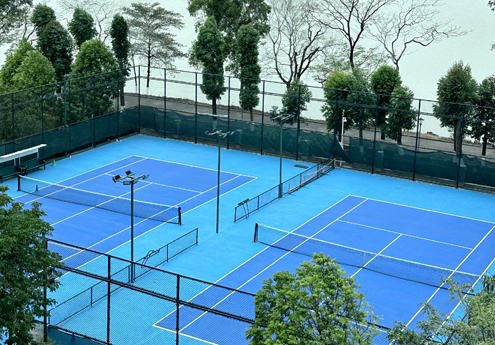
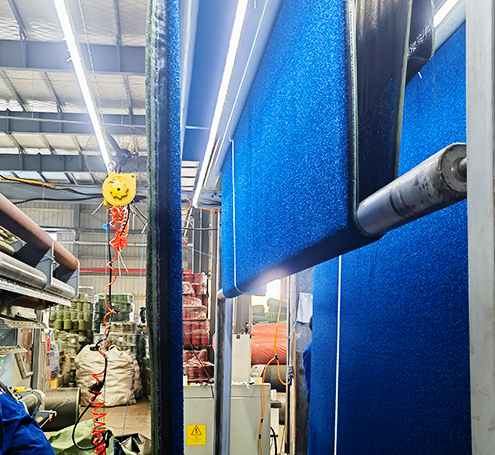
LFL Grass supplies professional padel artificial grass engineered specifically for padel court construction. Our padel turf delivers consistent ball bounce, stable footing and long-term durability under intensive play conditions.
Key Features of LFL Padel Artificial Grass:
Designed with a short-pile, dense fibre structure optimised for padel sport. The surface provides uniform ball response and reliable grip for players, meeting international padel court standards. UV-resistant and weatherproof, our padel turf performs year-round in both indoor and outdoor venues.
Available for full court installations, OEM branding and custom colour options. Trusted by padel clubs and sports facility contractors worldwide. Contact LFL Grass for wholesale pricing and technical specifications.
Padel Court Artificial Grass: Complete Specification Guide
Padel is one of the fastest-growing racket sports in Europe and the Middle East, and the playing surface is one of the most important decisions in any court project. Padel artificial grass has to deliver three things at the same time: predictable ball bounce, confident footing, and a surface that stays stable through years of intensive play. LFL Grass manufactures padel court turf in a 10–15 mm pile range, produced to order for clubs, private courts, resorts and commercial sports facilities.
This guide covers the specifications buyers ask about most — pile height, yarn type, backing, infill, drainage and maintenance — and explains how to choose the right build for your project.
Typical Specifications
| Pile height | 10–15 mm, made to order (custom pile available) |
| Yarn type | Monofilament or fibrillated PP / PE |
| Yarn profile | C-shape, S-shape and diamond constructions |
| Backing | PP + PU, water permeable and dimensionally stable |
| UV resistance | Anti-UV treated, tested to 5,000+ hours |
| Weather resistance | All-weather performance, indoor and outdoor courts |
| Colour | Blue, green, terracotta, purple and custom colours for OEM projects |
| Roll width | 2 m / 4 m, custom cutting on request |
| Order type | Custom production, OEM and private label supported |
Because every court is different, the final specification is confirmed against your court dimensions, climate and required ball speed. Third-party test documentation can be supplied with production orders.
Why a 10–15 mm Pile Height Works for Padel
Padel is played inside an enclosed court where the ball rebounds off glass walls. The surface therefore has to be fast but controlled. A short 10–15 mm pile keeps the ball rolling low and predictable, which reduces bounce deviation and lets players read the rebound off the wall.
A taller pile slows the game and increases the risk of inconsistent bounce, while a pile that is too short reduces shock absorption and puts more stress on joints. The 10–15 mm range gives court builders a working window: specify the lower end for a faster, tournament-style court, or the upper end for a slightly softer feel in multi-purpose facilities.
Infill Options: No Infill, Sand or Performance Infill
A light dressing of silica sand is what we normally recommend. It weighs the surface down, holds the fibre upright and keeps the court stable under slides and quick direction changes — the traditional padel build. Only a small quantity is needed: the sand is brushed into the pile after installation rather than left as a loose layer on top.
Unfilled construction is also available, and it suits projects that want the lightest ongoing maintenance or where handling sand on site is impractical. The same turf can be supplied in versions optimised for either approach, and we will advise which one fits your court. We supply the same turf in versions optimised for each approach, and our technical team will recommend the right combination for your project.
Complete Court Systems, Not Just the Turf
Most buyers ask us for a complete padel court package rather than turf alone. Alongside padel artificial grass, LFL Grass can supply the wider court system — glass panels, structural posts, net and post sets, lighting and accessories — so the project arrives from one supplier with one point of responsibility.
This is especially useful for contractors and distributors: matching the turf, panels and lighting from a single source avoids specification gaps and simplifies the installation schedule.
Where LFL Padel Artificial Grass Is Used
- Private and residential padel courts
- Commercial padel clubs and multi-court centres
- Hotels, resorts and leisure facilities
- Schools, universities and community sports venues
- Indoor padel halls
- Outdoor courts in high-UV and coastal climates
Installation and Maintenance
Padel turf is installed over a suitable base — typically asphalt, concrete or a compacted aggregate system — with the surface laid, seamed and secured to the court perimeter. Where no infill is used, installation is faster and the court can be brought into play sooner.
Maintenance is straightforward: brush the surface periodically to keep the pile upright, remove leaves and debris, and rinse the surface to clear dust. Because the product is UV-stabilised and non-organic, it does not need watering, mowing, fertilising or re-seeding, and it will not turn muddy after rain.
Frequently Asked Questions
What pile height is used for padel courts?
Most padel courts use a short pile of 10–15 mm. The exact height is chosen based on the required ball speed, whether infill is used, and local playing conditions.
Does padel artificial grass need sand infill?
Our recommendation is a light sand dressing, and that is how most padel courts are built: a small quantity of silica sand holds the fibre upright and gives the surface noticeably better stability under play. A court can also be installed unfilled, which some operators prefer for lighter maintenance — but for the traditional padel feel and the most stable surface, specify a light dressing.
How long does padel court turf last?
Service life depends on usage intensity, UV exposure and maintenance. A quality short-pile padel turf that is brushed and cleaned regularly performs well through years of intensive club play.
Can the colour be customised?
Yes. Blue is the most common padel court colour, but we also produce green, terracotta and purple turf, and we match custom colours for OEM and branded projects.
Can you supply a complete padel court, not just the turf?
Yes. We supply turf on its own or as part of a complete court package including glass panels, posts, net, lighting and accessories.
Why Buy Padel Turf from LFL Grass
- Factory-direct supply — manufactured in our own facility, without middlemen
- Custom production — pile height, yarn profile, colour and backing confirmed to your project
- Complete court packages — turf plus glass panels, posts, net, lighting and accessories
- Export experience — projects and shipments across Europe, the Middle East and the Americas
- OEM and ODM support — private labelling and custom colour development
Send us your court dimensions and target specification, and our team will reply with a technical proposal and wholesale pricing for your padel court project.
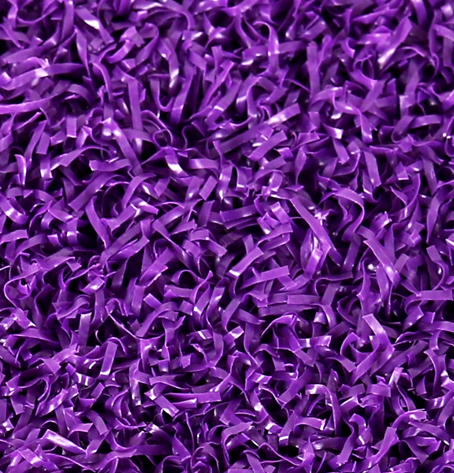
Coloured courts are increasingly specified for clubs and resorts. Our 15 mm purple padel court turf (LFL-SP525) uses a KDK crimped yarn that keeps its colour in high UV, and can be supplied in custom shades for private-label projects.
Buying padel court turf wholesale
Most of the padel turf we ship leaves the factory for one of three buyers: a court contractor fitting out a club, an importer building a padel range for their market, or an operator rolling the same surface out across several sites. All three need the same thing, and it is not the cheapest roll on the market — it is a surface that plays identically on court one and court six, and that still looks right after two summers of outdoor use.
We manufacture the yarn and tuft the carpet ourselves, which is what makes it possible to hold a specification across repeat orders rather than re-approximating it each time. Below are the four decisions that actually determine how a padel court plays, and the wholesale terms behind them.
Fibrillated or monofilament: the first decision
Padel turf is normally sand-dressed, short pile, and tufted from one of two yarn families. The choice changes the look and the ball behaviour more than the pile height does.
| Fibrillated | Flat tape that splits into fine fibres when brushed | Soft, dense appearance; the sand sits into the fibres and locks the surface. The traditional padel look. |
| Monofilament | Shaped single strands (C, S, diamond, KDK crimped) | Crisper, more upright finish and better recovery under foot traffic. Often specified where courts see very heavy use. |
| Blended | Fibrillated base with monofilament mixed in | Balances the soft look with resilience — a common choice for outdoor club courts. |
Pile height for padel sits in a narrow band: 10–15 mm, with 12 mm the most common specification. Anything taller changes the bounce and is not what players expect from a padel court.
Sand dressing: silica, coloured sand and why it matters
Padel turf is almost always sand-dressed, and the sand is doing real work: it weighs the surface down, holds the fibres upright, and sets the pace the ball comes off the carpet. The dressing is applied after installation and brushed into the pile.
Two options cover most courts:
- Natural silica sand — the standard. Neutral, stable, and the reference most specifications are written against.
- Coloured sand (red, terracotta, blue) — used to match the court colour scheme. Red infill is a common request across Dutch, Belgian and Spanish projects, where it is paired with green or blue carpet to give the traditional clay-court look.
If your market asks for a coloured dressing, tell us at quoting stage — the turf colour and the sand colour have to be chosen together or the finished court reads wrong.
Anti-slip and ball bounce: what the surface has to deliver
Padel is played in a confined glass court with walls in play, so two properties dominate the playing experience:
- Consistent bounce. The ball has to come off the surface the same way across the whole court. That comes from an even, properly dressed pile and a backing that does not develop hollows — not from pile height alone.
- Grip under lateral movement. Players change direction constantly on a short court. The surface needs enough texture and sand dressing to give shoe grip without snagging, which is why a sand-dressed fibrillated or textured monofilament surface is specified rather than a smooth, slick carpet.
Courts that fail on either point usually fail because the turf was bought on price and the dressing was cut back or skipped. The sand is not an optional extra.
Roll widths, cutting and seams for a 10 × 20 m court
The standard padel court footprint is 10 m × 20 m, and the turf for one court is normally supplied as a small number of wide pieces rather than a patchwork. Fewer seams means fewer places where the surface can lift, and a faster installation day for your fitting team.
We cut to your court dimensions and supply a cutting plan before production, so you can check the layout and the seam positions before the roll is tufted. If you are fitting multiple courts, we plan the cuts across the whole order to keep the waste down.
Colour and branding
Blue, green and purple are the colours we produce most often for padel, and we can match a custom shade to a sample for private-label programmes. Colour reference is held across repeat orders, so the court you fit next season matches the one you fitted this season.
The padel builds we produce most often are the 15 mm fibrillated padel court turf, the KDK crimped 10–15 mm court turf in custom colours, and the 15 mm purple padel turf for coloured courts.
Wholesale terms
| Order quantity | Quoted by the container; smaller trial orders can be arranged for a first order |
| Samples | Physical A4 sample of the exact build, sent before production |
| Production lead time | Typically 15–25 days after specification and sample approval |
| Documentation | Specification sheet, UV test report, cutting plan and loading plan |
| OEM | Your label and packing marks on standard or custom builds |
Send your court dimensions, the colour scheme and the level of play, and we will return a specification, a wholesale quotation and a cutting plan. For a full court package rather than turf alone, say so in the enquiry — we supply turnkey courts including the glass walls, structure, net and lighting.
Frequently asked questions
What pile height is used for padel courts?
10–15 mm, with 12 mm the most common specification. The pile is short because the ball has to come off the surface consistently and the court is small.
How much sand does a padel court need?
A sand-dressed padel court typically takes several kilograms of silica sand per square metre, brushed into the pile after installation. The exact figure depends on the pile height and yarn; we supply the dressing schedule with the quotation.
Can you supply red or coloured infill sand?
Yes. Natural silica sand is standard, and coloured sand is available to match green, blue or purple carpet for the traditional two-tone court look.
Fibrillated or monofilament for padel — which is better?
Neither is better in the abstract. Fibrillated gives the soft, dense, traditional padel feel and holds the sand well. Monofilament recovers better under very heavy use and looks crisper. Many outdoor club courts use a blend.
Do you supply the whole court or just the turf?
Both. Most of our padel business is turf only, supplied to contractors and importers. We also supply complete turnkey courts including glass walls, structure, net and floodlights.
Can the turf be produced in our own brand?
Yes. We run OEM and private-label programmes with custom colours, pile heights and backing builds, and we hold the specification for repeat orders.
What European and North American buyers ask before they order
Padel is concentrated in developed markets — Spain, Sweden, the Netherlands, Belgium, France, Italy and the UK, with rapid growth in the United States and the Gulf. Buyers in those markets tend to arrive with the same checklist, and it is a different checklist from a price-led project. They ask about standards and how to read them, the documentation that comes with the order, how fast the court can be installed when labour is expensive, and whether the surface you supply next season will match the one you supplied this season.
This section answers those four questions directly.
Standards, and how to read them honestly
EN 15330-1 is the European standard for synthetic turf sports surfaces. It sets requirements for shock absorption, vertical deformation, ball rebound and rotational resistance. It is worth being precise about what that means commercially: those requirements describe the installed system — base, shockpad, turf and dressing together — tested on site, not a roll of carpet on its own. No manufacturer can hand you a certificate for a roll of padel turf.
So the useful question to put to a supplier is not “is your turf EN 15330-1 certified”, but “what documentation do you supply so our installer can take the finished court through testing”. That is the question we are set up to answer — specification sheet, yarn and pile data, UV exposure test report, perforation and drainage data, and a record of the production batch the rolls came from.
Documentation that travels with the order
- Specification sheet: pile height, yarn type and Dtex, tufting density, face weight, backing build
- Accelerated UV exposure test report on the yarn
- Tuft withdrawal and abrasion data where the specification calls for it
- REACH and heavy-metal statements, plus the SGS, ISO and GRS certification reports on file
- Cutting plan, packing list and loading plan
If your tender document asks for a specific test or clause, send it to us and we will confirm in writing what we can supply before you commit — rather than after.
Installation economics: seams cost more in Europe than the turf does
In markets where fitting labour is expensive, the deciding number is often not the price per square metre but how many pieces the court arrives in. A 10 × 20 m court supplied as two or three wide rolls takes a fraction of the fitting time of the same court supplied as a patchwork, and there are fewer seams to lift later.
We cut to your court dimensions at the factory and supply the cutting plan before production, so your installer can check seam positions and crane or lift access before anything is tufted. On multi-court orders we plan the cuts across the whole order to hold waste down.
Repeatability when you fit more than one club
Operators rolling padel out across several sites have a problem the one-off buyer does not: the courts have to look the same. Colour that drifts between batches, or a pile that behaves differently, is visible the moment the second club opens. We hold the colour reference and the yarn specification for repeat orders, and we can supply the same batch to a multi-site programme so every court matches.
Shipping into Europe and North America
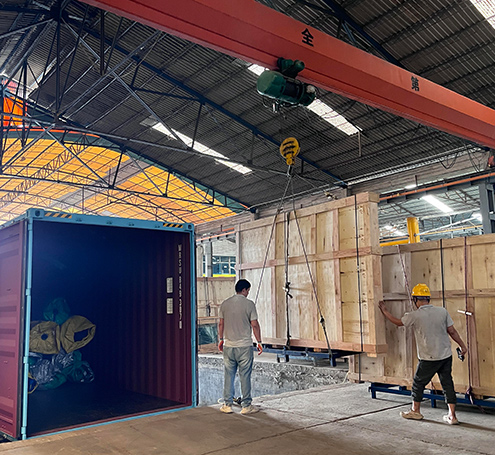
We quote FOB or CIF with the loading plan attached, so you can see container utilisation and roll lengths before you commit. Coloured and custom-shade carpet needs a longer production window than stock colour — typically 15–25 days after sample approval — so build that into your installation date rather than discovering it afterwards.
If you are specifying a court for a European or North American site and want the wider picture — how padel turf differs from tennis turf, how the specification changes with climate and level of play — our buying guide for padel and tennis court artificial grass in Europe and the US covers it in more depth.